
How Important Is a Post Workout Shake?

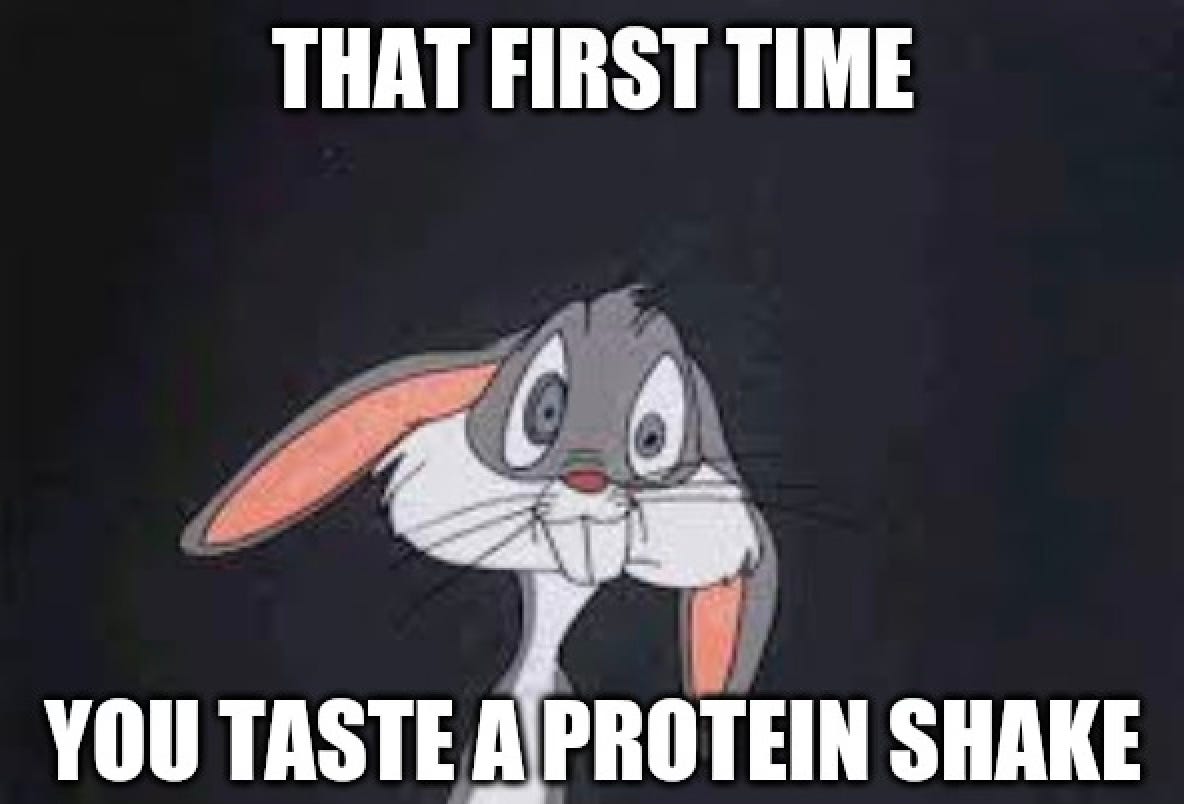
About as important as a college education (so not that important at all).
I’m half kidding, of course. But seriously…
The supplement industry has made billions convincing you that drinking a protein shake within the first 30 minutes after training is make-or-break to your results.
That’s BS.
A protein shake is just food. Like eating a chicken breast.
And no single meal, no matter when you eat it, is going to dramatically change your body.
That’s determined by your diet as a whole, as well as how consistent you are with it long term.
So what actually matters?
Four simple things.
Nail these before you EVER start worrying about a post-workout shake.
1. Total Calories
If you want to build muscle, you need to eat in a slight caloric surplus.
Roughly 200-300 calories above maintenance (what your body burns in a day).
And this is important - this number isn’t static.
It changes over time as you get bigger or more active, so pay close attention to your progress.
You haven’t seen a change in the past 7-14 days (with how you look, your performance in the gym, your 7-day average scale weight, etc)?
And you’ve been consistent (be honest here)?
Add a couple hundred calories.
2. Total Protein
Protein’s the building block of muscle tissue.
And despite popular belief, your total intake is FAR more important than when you eat it (although spreading it out does have slight benefit).
Aim to consume 0.7–1 gram of protein per pound of bodyweight, daily (or target bodyweight if you’re severely overweight).
And if you struggle to eat enough protein, here are three simple tips:
• Eat bigger portions at each meal (an extra 2-4+ oz of meat or fish)
• Eat protein packed meals more often (4-5 instead of 2-3)
• Have protein shakes between meals (but remember, a shake doesn’t have to fall within that 30-minute post workout window).
3. Carbs and Fat
With the protein obsession in full force - a net positive until taken too far - a lot of people gut their carbs and fats to squeeze in as much protein as possible.
Big mistake.
Carbs are your primary fuel source for high intensity training. Fat is critical for your hormone function.
Cut these too low, and your workouts suffer, your recovery tanks, and you spin your wheels wondering why your body isn’t changing.
You can easily prevent this by nailing your protein intake (0.7-1 gram per pound like mentioned above), and then filling in the rest of your calories with carbs and fats.
4. Hydration
The most overlooked piece of the puzzle (and probably the easiest to fix).
Target half your bodyweight in ounces of water, daily.
If you’re 200 pounds, that’s 100 ounces. Shouldn’t be too difficult.
And remember, coffee does count towards your hydration goal.
It’s 99% water after all. ;)
The Bottom Line
Eat enough calories. Hit your protein. Fuel up on carbs and fats. Stay hydrated.
Do this consistently, for weeks and months at a time, and your body WILL change (if you’re training hard enough).
Don’t stress over a post-workout shake.
P.S. Would You Like Some Help?
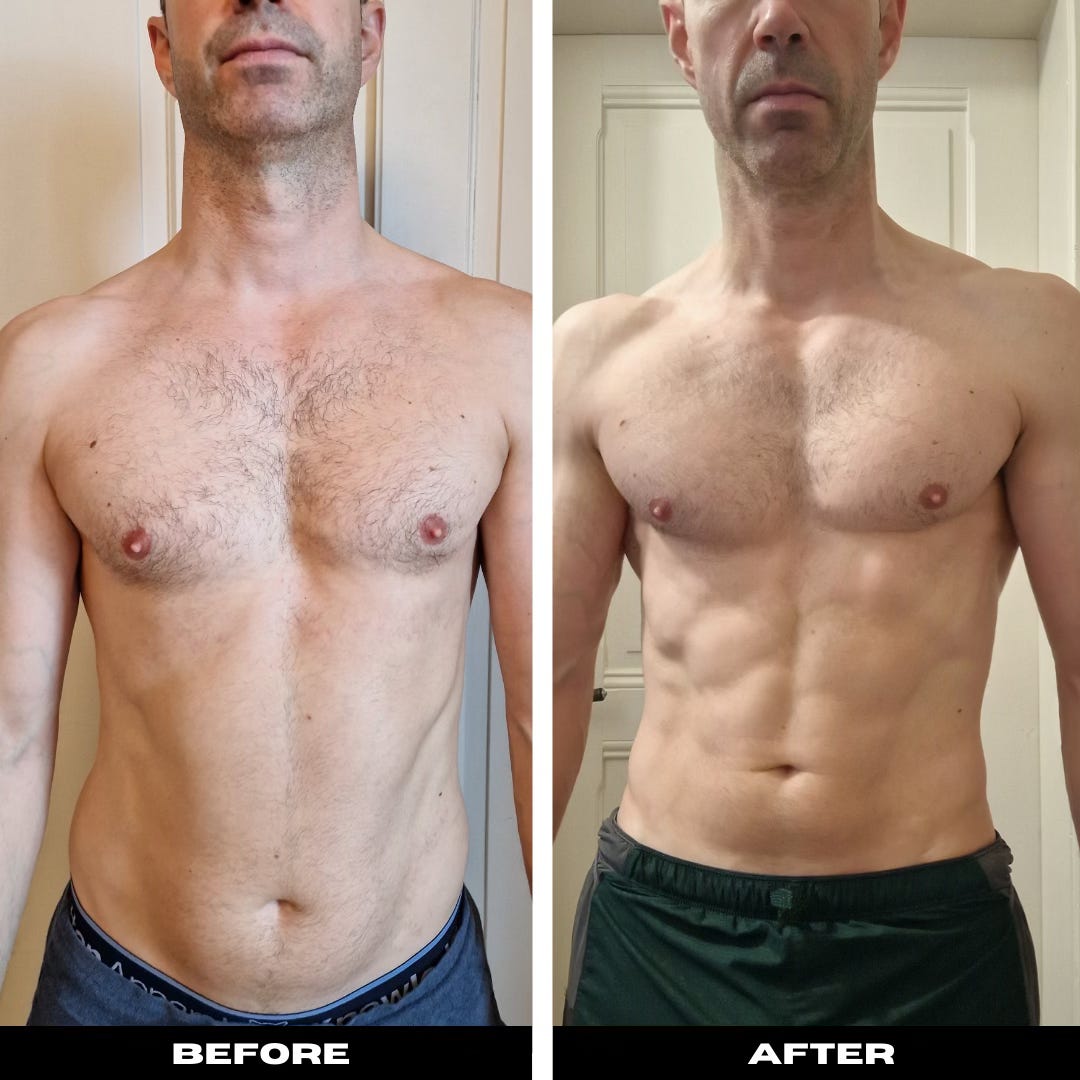
I’m taking on a few more clients this month for my 1-on-1 coaching.
Choose an option below, and you’ll transform your body in the next 6 months, or less:
Respond to this email, and let me know the exact transformation you’re looking for (be as specific as possible).
Book a call at the link below.
Really solid breakdown, Nick. I’ve coached athletes for decades — now mostly pickleball players in their 50s, 60s, and 70s — and the same pattern shows up everywhere: people obsess over the tiny levers (like the “30‑minute anabolic window”) while ignoring the big ones that actually move the needle. Your four fundamentals line up exactly with what I see on court. When players eat enough, hit their protein, keep carbs in the mix, and stay hydrated, their energy, recovery, and consistency all improve long before any supplement matters.
The shake isn’t magic. The habits are.
Nice to see someone cutting through the noise instead of adding to it.